
When it comes to choosing software for your business, reliability isn’t just a nice-to-have—it’s a must. You need a software vendor you can trust to deliver consistent performance, quick support, and solutions that actually work when you need them most.
But how do you know if a vendor will stand by their promises and keep your operations running smoothly? This article will guide you through the key signs of software vendor reliability, helping you make confident decisions that protect your investment and keep your business moving forward.
Keep reading to discover how to spot trustworthy vendors and avoid costly pitfalls.
Defining Software Vendor Reliability
Software vendor reliability means how trustworthy a software provider is. It shows the vendor’s ability to deliver quality software consistently. Reliable vendors meet deadlines, fix issues fast, and support customers well. This builds confidence in their products and services.
Understanding software vendor reliability helps businesses choose the right partner. It reduces risks linked to software failures or delays. Reliable vendors ensure smooth operations and protect investments in technology.
Reliability Metrics And Standards
Reliability metrics measure how often software works without errors. Common metrics include uptime, failure rate, and mean time to repair (MTTR). These numbers show software stability and performance over time.
Standards like ISO/IEC 25010 define quality attributes for software reliability. They guide vendors to build dependable software. Meeting these standards proves a vendor’s commitment to quality and consistency.
Vendor Credibility Factors
Vendor credibility depends on reputation, experience, and customer feedback. A credible vendor has a history of delivering on promises. Positive reviews and case studies strengthen their trustworthiness.
Other factors include financial stability and compliance with industry regulations. These reduce risks and ensure long-term support. Choosing credible vendors protects your business from unreliable software.

Credit: appwrk.com
Evaluating Vendor Performance
Evaluating vendor performance is key to choosing a reliable software partner. It helps you avoid risks and ensures your projects run smoothly. Careful assessment reveals strengths and weaknesses of each vendor. This way, you can make informed decisions and build lasting business relationships.
Quality And Consistency
Quality shows how well the software meets your needs. Consistency means delivering the same high standard over time. Check if the vendor’s products work without frequent errors. Ask for examples or case studies that prove their quality. Reliable vendors maintain stable performance across projects.
Timely Delivery
Delivering on time affects your project deadlines and budgets. Vendors who miss deadlines cause delays and extra costs. Confirm the vendor’s track record for meeting schedules. A dependable vendor plans well and handles setbacks quickly. Timely delivery reflects their commitment and professionalism.
Communication Transparency
Clear and open communication builds trust and prevents misunderstandings. Vendors should share progress updates and challenges honestly. They answer questions promptly and explain technical details simply. Transparency helps you stay informed and involved. It also shows the vendor values your partnership.
Assessing Security And Risk
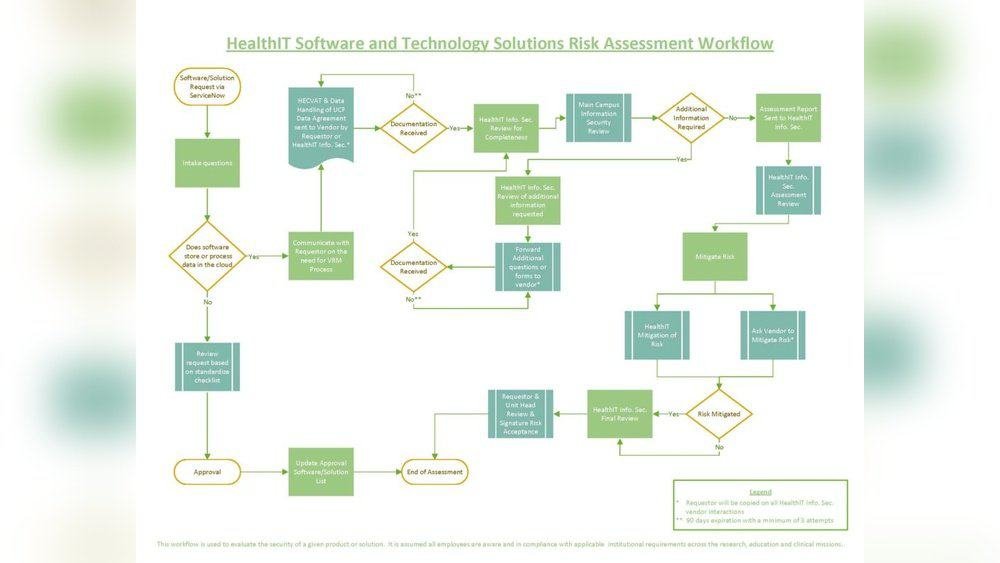
Assessing security and risk is a vital step in choosing a reliable software vendor. It helps protect your data and business operations. Knowing how a vendor handles security reduces potential threats. Evaluating their risk management strategies ensures you avoid costly problems.
Cybersecurity Practices
Strong cybersecurity practices show a vendor’s commitment to protecting data. Check if they use firewalls, encryption, and secure coding standards. Regular software updates and patches fix vulnerabilities fast. Vendors who train their staff on security reduce human errors. Look for clear incident response plans that address breaches quickly.
Risk Assessment Tools
Risk assessment tools help identify and measure security threats. Vendors using these tools can spot weaknesses before they cause damage. These tools analyze software for bugs, malware, and compliance gaps. They also evaluate third-party risks linked to software components. Reliable vendors share their risk reports and mitigation steps openly.
Compliance And Certifications
Compliance with industry standards shows a vendor’s security focus. Certifications like ISO 27001 or SOC 2 prove strong controls and processes. Check if the vendor meets regulations relevant to your industry. Certified vendors undergo regular audits to maintain trust. This gives peace of mind about their security and reliability.
Technical Support And Customer Service
Technical support and customer service form the backbone of software vendor reliability. These services ensure users can efficiently resolve issues and get the most from the software. Reliable support enhances trust and satisfaction among customers.
Effective technical support reduces downtime. Quick and clear communication helps users overcome challenges without frustration. Customer service teams act as the direct link between the vendor and the user, impacting overall experience.
Support Responsiveness
Fast response times are crucial for effective support. Vendors who reply quickly prevent delays in project timelines. Users feel valued when their issues get prompt attention. Responsiveness also reflects the vendor’s commitment to customer success.
Expertise And Knowledge
Support staff must understand the software deeply. Skilled agents solve problems accurately and efficiently. Knowledgeable teams provide clear guidance and reduce confusion. Expertise helps avoid recurring issues and boosts user confidence.
Customer Satisfaction
Positive customer feedback shows vendor reliability. Satisfied users often recommend the software to others. Good service builds long-term relationships and loyalty. Measuring satisfaction helps vendors improve their support continuously.
Building Long-term Partnerships
Building long-term partnerships with software vendors is essential for business success. Reliable vendors support growth and reduce risks over time. These partnerships go beyond one-time deals. They require ongoing commitment and collaboration.
Choosing vendors who adapt, improve continuously, and act with trust builds strong bonds. These qualities help businesses stay competitive and responsive to market changes. Trustworthy relationships lead to smoother projects and better outcomes.
Adaptability To Change
Software vendors must adjust to new technologies and market needs. Flexibility keeps software relevant and effective. Vendors who embrace change help clients face future challenges. This adaptability ensures the product evolves with your business goals.
Continuous Improvement
Top vendors seek ways to enhance their software regularly. They fix bugs, improve features, and boost performance. Continuous improvement shows the vendor’s commitment to quality. It benefits clients by providing better tools and solutions over time.
Trust And Accountability
Long-term partnerships rely on trust between both parties. Vendors who deliver on promises build confidence. Accountability means owning mistakes and resolving issues quickly. Trustworthy vendors act transparently and keep communication open.

Credit: www.youtube.com
Measuring Software Reliability
Measuring software reliability is key to understanding how well a product performs over time. It shows the likelihood that software will run without failure under specific conditions. This measurement helps businesses trust their software vendors and choose the right solutions. It also guides developers to improve their products continuously.
Below are important ways to measure software reliability, which help evaluate software vendor reliability effectively.
Failure-free Operation Probability
This metric shows the chance that software works without errors during a set time. It measures how often the software runs smoothly without crashing or bugs. A higher failure-free probability means better reliability. Companies use this to compare different software products and vendors.
Performance Under Stated Conditions
Software must meet expected performance levels in real situations. This means running as promised under specific hardware, network, and user loads. Measuring performance ensures the software fulfills its purpose without slowdowns or failures. Vendors who provide clear performance data gain more customer trust.
Reliability Reporting Tools
Tools that track software reliability provide clear insights into software health. They gather data on crashes, bugs, and uptime automatically. These reports help vendors fix issues faster and keep customers informed. Popular tools include monitoring software and automated testing platforms.
Selecting Trustworthy Vendors
Choosing a trustworthy software vendor is a crucial step for any business. Reliable vendors deliver quality products and support, reducing risks. The process requires careful evaluation and testing. This helps ensure the vendor meets your needs and expectations. Below are key methods to select vendors you can trust.
Gathering Feedback And Reviews
Collecting feedback from current and past clients reveals real vendor performance. Reviews highlight strengths and weaknesses of the software and support. Look for consistent positive feedback on reliability and service. Negative reviews may point to issues you want to avoid. Use multiple sources to get a balanced view.
Trial And Pilot Testing
Testing software before committing helps verify its reliability and fit. A trial or pilot allows your team to use the product in real scenarios. This uncovers potential problems early. It also shows how the vendor handles support and updates. Testing reduces surprises after purchase and builds confidence.
Vendor Assessment Frameworks
Structured frameworks guide the evaluation of vendor reliability. These include criteria such as financial stability, security practices, and compliance. A framework ensures all important aspects are reviewed systematically. Use it to compare vendors fairly and objectively. This approach leads to better decision-making and safer choices.
Cost Considerations In Vendor Selection
Cost plays a crucial role in selecting a reliable software vendor. Budget limits often shape vendor choices. The challenge lies in balancing expenses with the quality of software solutions. Understanding cost factors helps avoid pitfalls and ensures better vendor partnerships.
Balancing Cost And Quality
Choosing a vendor requires careful consideration of both price and quality. Low costs may seem attractive but can lead to poor software performance. High-quality vendors may charge more but offer better support and stability. Aim for a balance that meets your budget while ensuring reliable software delivery.
Value Engineering Approaches
Value engineering helps optimize software costs without sacrificing features. It involves analyzing vendor proposals to identify cost-saving opportunities. This may include simplifying requirements or adjusting timelines. Focus on solutions that provide the best function for the lowest cost, increasing overall project value.
Long-term Roi
Consider the long-term return on investment when selecting a vendor. Cheaper solutions might cause higher maintenance costs later. Reliable software reduces downtime and improves productivity. Investing in a trustworthy vendor ensures savings over time and supports business growth.

Credit: www.youtube.com
Frequently Asked Questions
How Do You Measure Software Reliability?
Measure software reliability by tracking failure rates, mean time between failures (MTBF), and defect density during testing and operation.
What Do You Mean By Software Reliability?
Software reliability measures a program’s ability to perform without failure under specified conditions and time. It ensures consistent, error-free operation.
What Is Vendor Credibility?
Vendor credibility means a vendor is trusted for consistently meeting commitments and exceeding expectations. It reflects reliability and trustworthiness.
What Is The Reliability Of A Software Product?
Software product reliability measures its ability to perform without failure under specified conditions for a defined time. It reflects software quality in real use.
Conclusion
Choosing a reliable software vendor shapes your project’s success. Trust builds through consistent quality and clear communication. Vendors who deliver on promises reduce risks and delays. Always check their track record and client feedback. Reliable vendors help your business run smoothly and grow steadily.
Keep vendor reliability a top priority in your decisions. It makes a real difference over time.