
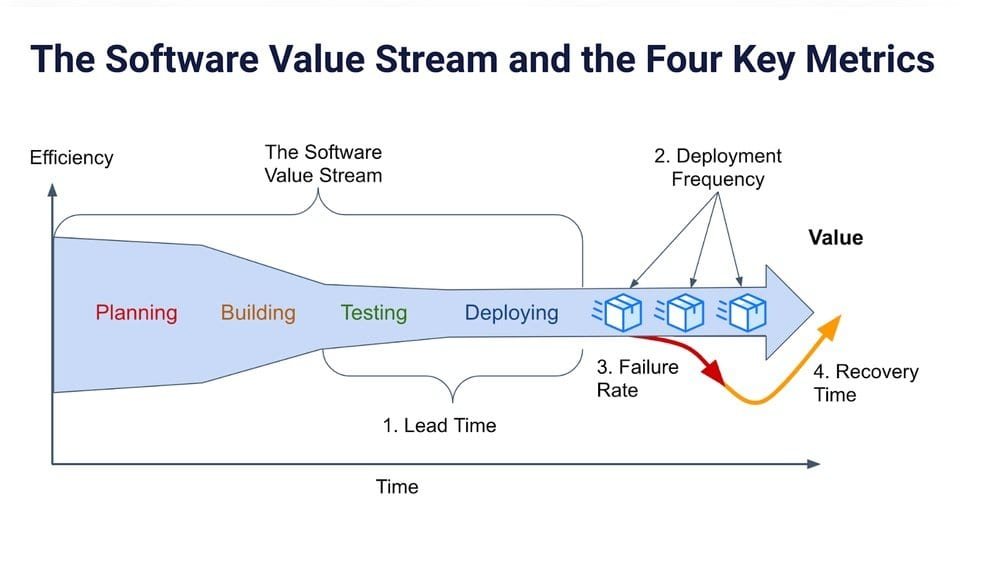
You’ve invested time, money, and effort into your software. But have you ever wondered how its value changes as time goes on?
Software isn’t like a one-time purchase; its worth can grow, shrink, or even transform depending on many factors. Understanding how software value evolves over time can help you make smarter decisions—whether you’re developing new tools, maintaining existing ones, or planning future upgrades.
You’ll discover why software value isn’t fixed, what causes it to shift, and how you can maximize your software’s impact for years to come. Keep reading to unlock insights that could save you money and boost your software’s performance in the long run.
Software Value Decline
Software value tends to decline over time without proper care. As software ages, various factors cause its quality and usefulness to drop. This decline affects performance, user satisfaction, and maintenance costs. Understanding why software value decreases helps manage and extend its lifespan.
Causes Of Software Rot
Software rot happens as code slowly loses quality. Changes made without proper planning create bugs and errors. Outdated technology and libraries also contribute to rot. Lack of documentation and testing speeds up software decay. Over time, software becomes harder to update and fix.
Impact Of Technical Debt
Technical debt occurs when shortcuts replace good design. It may save time initially but causes problems later. Debt slows down development and increases bugs. Fixing technical debt requires extra effort and resources. Ignoring it reduces software value and user trust.
Signs Of Software Degradation
Slow performance and frequent crashes signal software issues. Users may report bugs more often than before. Updates become risky and costly to apply. The software may fail to meet new user needs. These signs show the software is losing its value.
Measuring Software Value
Measuring software value involves understanding its financial impact over time. It includes estimating future benefits and comparing them to costs. This process helps businesses decide on investments and upgrades. Accurate measurement guides better decisions and resource allocation.
Future Earnings And Cash Flows
Software generates income through sales, subscriptions, or services. Future earnings reflect expected revenue from these sources. Estimating cash flows means predicting money coming in and going out. This forecast shows how much profit software can produce.
Discounted Cash Flow Method
This method calculates the present value of future cash flows. It accounts for the time value of money, meaning money now is worth more than later. By discounting future earnings, businesses see the true worth of software today. This approach helps compare software projects fairly.
Cost Savings And Efficiency Gains
Software can reduce expenses by automating tasks and improving processes. These savings add to its value. Efficiency gains increase productivity and lower operational costs. Tracking these benefits shows how software supports business growth and profit.
Evolution Of Software Models
The evolution of software models marks a shift in how users access and pay for software. This change affects software value over time and how companies generate income. Software delivery and billing methods have adapted to meet customer needs and market demands. Understanding these changes helps grasp the software industry’s current landscape and future trends.
From Perpetual Licenses To Subscriptions
Software once sold as a one-time purchase with perpetual licenses. Customers paid upfront and owned the software forever. Updates and support often required additional fees. The model had limits on flexibility and cash flow for companies.
Subscription models replaced this approach by charging users regularly. Monthly or yearly fees cover access, updates, and support. This model lowers entry costs for users and creates steady revenue for providers. Subscriptions encourage ongoing improvements and stronger customer relationships.
Usage-based Billing
Usage-based billing charges customers based on how much they use the software. This model fits cloud and service-based applications well. It offers fairness by linking cost to actual consumption. Customers avoid paying for unused features or capacity.
Providers gain detailed insights into user behavior and can optimize offerings. Usage-based billing supports scalability and flexibility. It aligns software value directly with user needs and usage patterns.
Revenue Model Shifts
Revenue models have shifted from one-time sales to recurring income streams. This change impacts software valuation and business strategies. Recurring revenue offers predictability and supports continuous innovation. Companies focus more on customer retention and lifetime value.
New models include freemium, pay-as-you-go, and hybrid approaches. These allow businesses to attract diverse customer segments. Revenue shifts reflect evolving market expectations and technology advances. The software industry continues to adapt and grow with these trends.

Credit: www.ibbaka.com
Driving Long-term Roi
Driving long-term return on investment (ROI) with software requires more than just initial purchase decisions. It means choosing solutions that grow and adapt alongside your business. Long-term ROI focuses on sustained value, helping companies avoid costly replacements and upgrades. This approach also supports ongoing efficiency and revenue management.
Aligning Software With Business Growth
Software must match your company’s current and future needs. As your business expands, software should scale smoothly. This avoids performance issues and costly migrations. Choose flexible software that supports new features and users. This alignment reduces disruptions and keeps operations running well.
Maximizing Efficiency Over Time
Efficiency gains build up as software matures within your system. Regular updates and maintenance keep software running fast and secure. Training staff to use software fully also boosts productivity. Over time, this reduces wasted effort and lowers costs. Efficient software supports clear workflows and faster task completion.
Managing Customer Revenue Changes
Software should help track and respond to changes in customer revenue. Accurate data supports smarter decisions about pricing and services. It also helps identify trends and new opportunities. Managing revenue changes effectively keeps your business profitable. Software tools that integrate well with sales and finance systems add value here.
Sustaining Software Value
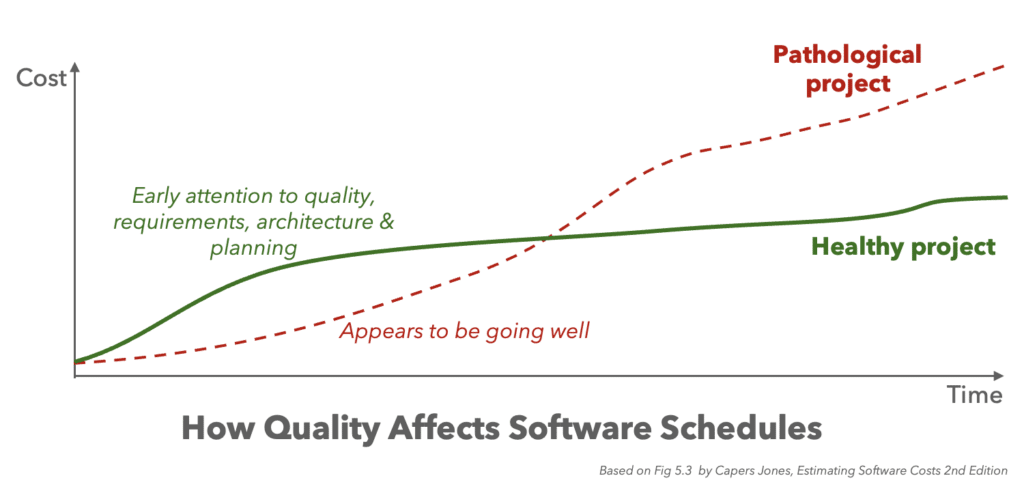
Sustaining software value is key to keeping products useful and relevant. Software can lose value over time if left unchanged. Constant effort is needed to maintain and grow its worth. This section explores ways to keep software valuable for users and businesses.
Continuous Improvement Strategies
Regular updates fix bugs and improve performance. Small, frequent changes help avoid large, risky overhauls. Monitoring user feedback guides what to improve next. Automated testing ensures changes do not break existing features. These strategies keep software stable and growing in value.
Adapting To Changing User Needs
User needs evolve as markets and technologies shift. Software must change to meet new demands. Listening to user feedback helps identify these changes. Adding new features or simplifying interfaces can improve satisfaction. Staying aligned with users keeps software relevant and valuable.
Organizational Capacity For Evolution
Teams must be ready to support software growth. Skilled developers and clear processes enable quick adaptation. Leadership should prioritize long-term maintenance, not just new features. Investing in training and tools boosts the team’s ability to evolve software. A strong organization preserves and enhances software value over time.
Credit: www.scopemaster.com
Future Trends Impacting Value
Software value changes as technology and markets evolve. Understanding future trends helps predict this value. Trends shape how software stays useful and profitable. Companies must adapt to keep software relevant. Several key trends will shape software’s value in coming years.
Ai Integration In Software
Artificial intelligence is becoming a core part of software. AI improves automation, decision-making, and user experience. Software with AI capabilities offers smarter solutions. This increases its value over time. AI integration helps software stay competitive in fast-changing markets.
Market Growth And Forecasts
The software market grows rapidly worldwide. Demand rises for cloud, mobile, and specialized software. Growth forecasts show expanding opportunities for software products. Companies investing in future-ready software gain higher returns. Market trends influence which software types increase in value.
Software As A Strategic Asset
Software is now seen as a key business asset. It supports core operations and innovation. Firms treat software as critical for competitive advantage. This mindset raises software’s long-term value. Maintaining and upgrading software becomes essential to preserve its worth.

Credit: www.arenasolutions.com
Frequently Asked Questions
What Is The Rule Of 40 In Software Valuation?
The Rule of 40 balances growth rate and profitability in software valuation. It sums revenue growth percentage and profit margin to equal at least 40%. This metric helps investors assess a software company’s financial health and growth efficiency quickly.
What Is The 40 20 40 Rule In Software Engineering?
The 40 20 40 rule in software engineering divides time into 40% planning, 20% coding, and 40% testing phases. This balance ensures quality and efficiency in software development.
Does Software Degrade Over Time?
Software does not physically degrade but can suffer from software rot due to outdated code or unmet user needs. Regular updates prevent decline.
How To Determine The Value Of Software?
Determine software value by assessing future earnings, cost savings, and cash flows. Use discounted cash flow to find present worth. Evaluate features, licenses, and market demand. Consider efficiency improvements and long-term organizational growth potential. Analyze technical quality and ongoing maintenance costs for accurate valuation.
Conclusion
Software value changes as time passes. Updates and user needs shape its worth. Good software stays useful through regular improvements. Ignoring maintenance can cause problems and loss. Measuring value helps plan for future costs. Smart decisions keep software efficient and relevant.
Understanding these changes supports better software management. Keep software aligned with goals for lasting benefits.