
When you choose software for your business or personal use, understanding how licensing works can save you time, money, and headaches. Software licensing models define the rules about how you can use a program, what you can do with it, and how much it will cost you.
But with so many options out there—perpetual licenses, subscriptions, open-source, and more—it’s easy to feel overwhelmed. This article breaks down the most common software licensing models in simple terms, so you can make confident decisions that fit your needs. Keep reading to discover which licensing model is right for you and how it impacts your software experience.
Types Of Software Licenses
Software licenses control how users can access and use software. They set rules to protect creators’ rights and guide users on what is allowed. Different licenses exist to meet various needs and situations. Understanding the main types helps you choose or follow the right license.
Proprietary Licenses
Proprietary licenses keep software ownership with the creator or company. Users must follow strict rules and often pay fees. They cannot change or share the software freely. This license type protects the software’s source code and limits copying.
Open-source Licenses
Open-source licenses let users see and change the software’s source code. They promote sharing and collaboration between users and developers. Common types include MIT, GPL, and Apache licenses. These licenses allow free use but may require sharing changes back.
Public Domain Licenses
Public domain licenses give full freedom to use and modify software. No ownership or copyright restrictions apply. Anyone can copy, change, or sell the software without asking permission. This type maximizes accessibility and innovation.
Credit: www.stellarone.io
Common Licensing Models
Software licensing models define how users access and pay for software. Choosing the right model affects cost, usage, and updates. Many companies use common licensing types to meet different needs. Understanding these models helps users and businesses make smart decisions.
Perpetual Licensing
Perpetual licensing allows users to buy software once. After purchase, users can use it forever without extra fees. This model suits those who want long-term access. Updates or support may require additional payment. It gives full control over the software version.
Subscription Licensing
Subscription licensing charges users regularly, often monthly or yearly. Users get access only while paying the fee. This model often includes updates and customer support. It fits users needing the latest features and flexibility. Subscription costs may be lower upfront than perpetual licenses.
Freemium And Trial Models
Freemium models offer basic software for free with optional paid features. Users can try the software without risk. Trial models provide full access for a limited time. Both models help users evaluate software before buying. They attract more users by lowering entry barriers.
Licensing Agreement Variations
Licensing agreements set the rules for how software can be used and shared. These agreements come in several variations. Each type defines different rights and restrictions for users and creators. Understanding these variations helps businesses and individuals choose the best fit for their needs.
Exclusive Licenses
An exclusive license gives one user full rights to the software. No one else can use or sell the software during this time. This license offers strong control and protection for the licensee. It often commands a higher price due to its uniqueness. Creators lose the ability to license the software to others while this agreement lasts.
Non-exclusive Licenses
Non-exclusive licenses allow multiple users to access the software. The creator can license the same software to many customers. This model is common in mass-market software sales. It gives more flexibility to the creator and wider availability. Users pay less but do not have sole rights to the software.
Sole Licenses
Sole licenses sit between exclusive and non-exclusive licenses. Only one user can have the license, but the creator may still use or sell the software. The licensee has limited exclusivity and fewer restrictions. This model balances control for the user with freedom for the creator. It suits businesses needing some exclusivity without full ownership.

Credit: www.zluri.com
How Licensing Models Drive Revenue
Software licensing models are key to how companies earn money from their products. These models set rules on how software can be used. They also decide how users pay for the software. Understanding these models helps explain how software companies make profits.
Each licensing model offers different ways to balance user access and company control. This balance affects revenue streams and user satisfaction. The choice of model also guides pricing and sales strategies.
Monetizing Intellectual Property
Licensing lets companies sell the right to use their software without giving away ownership. This protects the software as intellectual property. It turns software into a source of ongoing income. Companies can license the same software to many users, increasing earnings. This model helps recover development costs and fund new projects.
Balancing Access And Control
Licensing models control how and when users access software. Some models offer unlimited use after one payment. Others require regular subscription fees for continuous access. This control limits unauthorized use and piracy. It also helps companies plan revenue over time. The right balance keeps users happy and protects profits.
Pricing Strategies
Pricing depends on the chosen licensing model. Perpetual licenses often have a higher upfront cost. Subscription models charge smaller amounts regularly. Some licenses charge based on user numbers or features used. Flexible pricing helps reach different customer types. Clear pricing improves sales and customer trust.
Legal And Compliance Considerations
Software licensing models come with important legal and compliance aspects. These factors ensure software creators protect their rights. They also define how users can legally use the software. Understanding these rules helps avoid legal issues. It ensures smooth operation for both sellers and buyers.
Protecting Intellectual Property
Software is a valuable intellectual property asset. Licensing helps creators keep control over their work. It stops unauthorized copying or sharing. Licenses clearly state who owns the software and its components. This protection supports innovation and fair business practices.
User Rights And Restrictions
Licenses define what users can and cannot do. They list permitted uses, like installation limits or device numbers. Restrictions may include bans on reverse engineering or redistribution. Clear terms help users understand their rights. This prevents accidental misuse and legal problems.
Enforcement And Auditing
Software companies monitor license compliance regularly. Audits check if users follow the license terms. Enforcement actions may include warnings, fines, or legal steps. This process protects revenue and maintains market fairness. Users should always keep proper records to prove compliance.
Choosing The Right Model For 2025
Choosing the right software licensing model for 2025 is crucial for business success. The right model impacts cost, user experience, and growth potential. Understanding current needs and market trends helps make an informed decision. This section explains key factors to consider when selecting a licensing model.
Assessing Business Needs
Identify your core business goals before selecting a license model. Consider how your software will be used daily. Think about your budget and expected revenue streams. Understand your customer base and their preferences. Match the license model to your product’s features and support plans. This alignment reduces risks and improves user satisfaction.
Trends Influencing Licensing
Subscription-based licenses continue to grow in popularity. Cloud computing and remote work increase demand for flexible access. Open-source models gain traction for collaboration and innovation. Security concerns push companies to choose licenses with strong compliance features. Keep an eye on industry changes to stay competitive.
Scalability And Flexibility
Choose a model that can grow with your business needs. Flexible licenses allow adding or removing users easily. Scalability ensures you only pay for what you use. This approach helps manage costs during business fluctuations. Licensing should support expansion without complex renegotiations.
Technology Impact On Licensing
Technology shapes how software licensing works today. It changes how companies create, deliver, and manage licenses. These advances impact costs, flexibility, and user experience. Understanding this impact helps businesses choose the right licensing model.
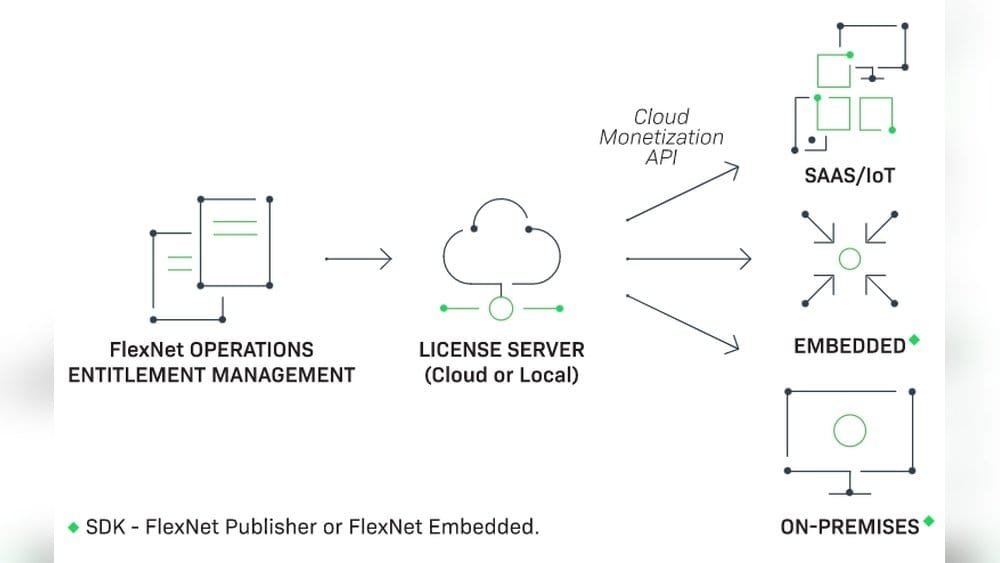
Cloud And Saas Licensing
Cloud computing shifts software delivery from physical to online. SaaS licensing lets users access software via the internet. This model uses subscriptions rather than one-time payments. It offers easy updates and scalability. Companies pay for what they use, reducing upfront costs.
Virtualization And Containerization
Virtual machines and containers allow running multiple software copies on one device. Licensing must adapt to this shared resource use. Vendors create licenses based on virtual instances or container counts. This ensures fair payment for software running in complex environments.
Automation In License Management
Automation tools track software use and license compliance automatically. They reduce manual errors and save time. Companies can monitor usage in real time and avoid over- or under-licensing. This technology improves transparency and control over software assets.
Future Of Software Licensing
The future of software licensing is evolving rapidly. New trends and technologies shape how software is distributed and used. Businesses and users must adapt to these changes. Understanding emerging models and global factors becomes crucial for success.
Emerging Models
Subscription services continue to grow, replacing traditional one-time purchases. Pay-as-you-go licenses offer flexibility and cost control. Usage-based licensing adapts to customer needs and scales easily. Hybrid models combine benefits of different licenses to meet diverse demands.
Ai And Machine Learning Influence
AI helps track software usage with precision. Machine learning predicts license needs and optimizes costs. These technologies improve compliance and reduce fraud risks. Licensing systems become smarter and more automated over time.
Global Market Considerations
Different countries have unique laws affecting software licenses. Localization of terms and pricing is necessary for global reach. Businesses must consider currency, taxes, and legal restrictions. Cloud-based licensing eases access across borders but requires careful management.
Credit: www.stellarone.io
Frequently Asked Questions
What Are The Three Types Of Licensing?
The three types of licensing are exclusive, non-exclusive, and sole licenses. Each grants different usage rights and protections.
How Does A Licensing Model Work?
A licensing model grants users rights to use intellectual property under set terms. Users pay for access, usage, or features. It protects the creator’s rights and defines conditions like duration, scope, and restrictions. Licensing models vary, including perpetual, subscription, and open-source types.
Which Two Of These Are Some Models Under Licensing?
Two common models under licensing are exclusive and non-exclusive licenses. These define usage rights and restrictions clearly.
What Are The Two Most Common Software Licenses?
The two most common software licenses are proprietary and open-source. Proprietary licenses restrict usage, while open-source licenses allow modification and sharing.
Conclusion
Choosing the right software license helps both users and creators. Each model sets clear rules on use and payment. Understanding these options avoids confusion and legal issues. Open-source, subscription, and perpetual licenses all serve different needs. This knowledge guides better decisions for software use and sharing.
Keep these basics in mind when selecting software licenses. It ensures smooth, fair access for everyone involved.