
If you run or rely on a SaaS product, understanding the risks tied to product sunsetting is crucial for your success. When a SaaS company decides to retire a product or feature, it’s not just about shutting it down.
It’s a strategic move that can impact your workflow, data, and future planning. You need to know why products get sunset, how this process unfolds, and what it means for your business or daily use. Ignoring these risks could leave you scrambling for alternatives or stuck with unsupported software.
Read on to discover how to spot product sunset risks early and protect your SaaS investments before it’s too late.
Product Sunset Basics
Understanding the basics of product sunset is essential for SaaS businesses. It helps manage risks and plan resources well. Product sunset is part of the product lifecycle. It involves careful planning and communication to avoid surprises.
Knowing when and how to sunset a product ensures smooth transitions. It also protects customer trust and company reputation. Let’s dive into the key elements of product sunset basics.
What Product Sunset Means
Product sunset means ending a product’s life on purpose. It is a planned process, not a sudden stop. Companies stop selling or supporting the product. They do this when it no longer meets business goals. The product might lose value or customers over time. Sunsetting frees resources to focus on new or better products. It avoids wasting money on old or unused services. The goal is a smooth phase-out with clear communication to users.
Lifecycle And Timing
Every product has a lifecycle with stages. It starts with development, then growth and maturity. At some point, a product may enter decline. This stage shows less usage and sales drop. Timing the sunset is important to reduce impact. Companies analyze data and market trends to decide. A phased approach helps customers adjust slowly. Setting clear timelines guides users through changes. Proper timing also protects the company’s brand and customer loyalty.
Reasons For Product Sunset
Understanding the reasons behind product sunset is vital for SaaS businesses. Products do not last forever. Companies must decide when to retire a product for better growth. This decision helps save resources and focus on more valuable offerings. Several key factors lead to product sunset in SaaS.
Low Customer Adoption
One major reason for product sunset is low customer adoption. If few users buy or use the product, it cannot sustain itself. Without enough customers, revenue drops. Companies cannot justify the costs to maintain such products. This lack of demand signals a need to retire the product.
Financial Challenges
Financial challenges also push companies to sunset products. When costs exceed profits, the product becomes a burden. High expenses in development, support, and marketing reduce returns. To protect overall business health, firms stop investing in unprofitable products. This helps them focus on better financial opportunities.
Strategic Realignment
Strategic realignment often leads to product sunset. Businesses change goals or markets over time. Some products no longer match new strategies or visions. Companies then retire those products to align with fresh priorities. This keeps the product portfolio relevant and focused on core strengths.
Technological Changes
Technological changes drive product sunset too. Rapid tech advances can make a product obsolete. Older software may not support new platforms or features. Maintaining outdated technology is costly and inefficient. Companies replace such products with modern solutions to stay competitive.
Risks Of Product Sunset In Saas
Phasing out a product in SaaS carries notable risks. These risks affect customers, revenue, brand trust, and operations. Managing them poorly can harm a company’s future. Understanding these risks helps prepare for a smoother transition.
Customer Churn
Ending a product may frustrate existing users. Customers might feel abandoned or forced to switch. This frustration often leads to losing loyal users. Competitors can seize this chance to attract those customers. Clear communication and alternatives reduce churn risk.
Revenue Impact
Stopping a product cuts off its income stream. This loss can affect overall company revenue and cash flow. If the product has many users, the impact is greater. Delayed or poor sunsetting may cause unexpected revenue drops. Planning helps balance revenue during transitions.
Brand Reputation
Product sunsets can damage a brand’s image. Customers expect stability and support for their tools. Abrupt or unclear sunsetting harms trust and loyalty. Negative reviews and word-of-mouth spread quickly online. Maintaining transparency and support preserves brand reputation.
Operational Disruptions
Sunsetting requires shifting internal resources and workflows. Teams must adjust to new priorities and tools. Support teams face challenges handling user questions and issues. Without proper planning, internal chaos can occur. Smooth operations depend on clear processes and training.
Credit: www.binadox.com
Planning A Sunset Strategy
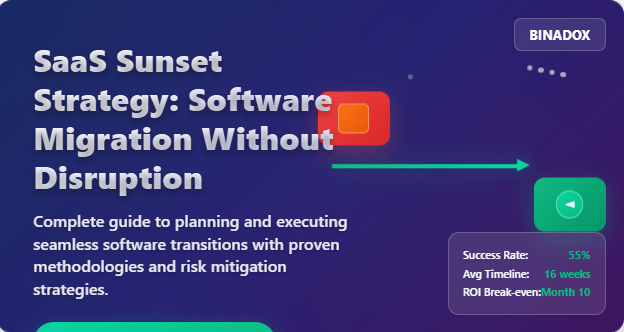
Planning a sunset strategy is a key step in managing the lifecycle of a SaaS product. It helps companies retire products in a smooth and thoughtful way. A clear plan reduces risks and keeps customer trust intact. This approach allows teams to focus resources on newer, more valuable offerings.
Every sunset strategy starts with careful analysis and clear communication. The goal is to minimize disruption while moving forward with company goals. Proper planning ensures the product phase-out is organized and respectful to users.
Analyzing Product Performance
Begin by reviewing product data and usage trends. Check if the product meets current customer needs. Look at revenue, support tickets, and growth rates. Identify signs of decline or lack of engagement. This analysis helps decide if sunsetting is the best option.
Consider market changes and competitor offerings. Assess whether the product still fits the company’s vision. This step prevents sudden decisions and supports a data-driven process.
Setting Clear Timelines
Define specific dates for each phase of the sunset process. Include announcements, support changes, and final shutdown. Timelines keep teams and customers informed and prepared.
Plan enough time for users to transition smoothly. Avoid rushing the process to reduce frustration. Clear deadlines also help coordinate internal resources and marketing efforts.
Stakeholder Alignment
Involve all key teams in the sunset planning. Product, sales, support, and marketing must agree on the approach. Align on messaging, timelines, and customer communication.
Stakeholder buy-in ensures consistent actions and avoids confusion. Regular meetings and updates keep everyone on track. This collaboration makes the sunset process more effective and less disruptive.
Communicating The Sunset
Communicating a product sunset is a critical step in the SaaS lifecycle. Clear communication helps maintain trust and reduces confusion among users. It ensures customers and teams understand the reasons behind the decision and the next steps. Proper messaging minimizes frustration and supports a smooth transition.
Customer Notifications
Notify customers early about the product sunset. Use multiple channels like email, in-app messages, and your website. Explain the reason simply and kindly. Provide timelines and what customers should expect. Offer alternatives or migration options if available. Regular updates keep users informed and engaged.
Internal Team Briefings
Share the sunset plan with all internal teams. Sales, support, and marketing must know the details. Clear instructions help them assist customers better. Address their questions and concerns openly. This alignment ensures consistent messaging across the company. Prepare teams for increased support demands during the transition.
Managing Expectations
Set realistic expectations with customers and staff. Be honest about what will change and when. Outline any limitations or loss of features. Highlight support availability and end-of-life dates clearly. Avoid surprises by updating timelines if needed. Transparency builds confidence and eases the sunset process.

Credit: www.hoganlovells.com
Managing Transition And Support
Managing the transition and support during a product sunset in SaaS is critical. It helps customers adapt smoothly and reduces service disruption. Clear planning and communication guide the process. Support teams must stay ready to assist users through changes. This phase shapes customer trust and future business success.
Phased Wind-down
Phased wind-down means gradually reducing product features and services. It allows users time to adjust and plan their next steps. Companies announce timelines clearly to avoid surprises. This approach keeps users informed and reduces frustration. It also gives the business time to close accounts and transfer data.
Alternative Solutions
Offering alternative solutions helps retain customers during sunset. Suggest similar products or upgrades that meet their needs. Provide clear comparisons to ease decision-making. Training or tutorials on new tools improve user confidence. This step shows care and helps maintain long-term loyalty.
Support Continuity
Support continuity means keeping help channels open throughout the sunset. Provide technical assistance, FAQs, and live support until the end. Regular updates on progress reassure users and reduce confusion. After sunset, offer resources for migration or data export. Consistent support builds trust and protects brand reputation.
Resource Reallocation
Resource reallocation is a key step during the product sunset process in SaaS. It involves moving valuable assets like people, budget, and focus away from the retiring product. This shift helps companies invest in areas with higher potential and better align with business goals.
Smart resource reallocation ensures that the company does not waste effort on outdated products. Instead, it supports growth through innovation and improvement of newer offerings. Effective reallocation requires careful planning and clear decisions about where to deploy resources.
Shifting Talent
Talent shifting means moving skilled employees from the sunsetting product to other projects. This keeps their experience and knowledge within the company. It also prevents layoffs and maintains morale.
Teams working on retiring products can join new product groups or support existing ones. This helps maintain productivity and speeds up innovation. Proper planning ensures smooth transitions without disrupting ongoing work.
Budget Redistribution
Budget redistribution frees funds tied to the old product. These funds can then support development, marketing, or customer success of newer products. This makes the budget more efficient and impactful.
By cutting costs on maintenance and support of the sunsetting product, companies avoid wasted spending. Budget shifts also allow investment in research and testing for future growth. Smart budget moves improve overall company health.
Focusing On Innovation
Resource reallocation creates room to focus on innovation. Teams gain time and energy to develop fresh ideas and improve new products. This focus drives business forward.
Innovation helps companies stay competitive in fast-changing markets. It also meets evolving customer needs better. Redirecting resources from old to new products supports continuous improvement and long-term success.
Protecting Business Value
Protecting business value during a product sunset in SaaS is crucial. It ensures smooth transitions and preserves customer trust. Proper management helps keep revenue steady and maintains a strong market presence. Planning ahead reduces risks and supports long-term growth. Every step should focus on delivering value despite changes.
Maximizing Customer Retention
Keep customers informed with clear and honest communication. Offer alternative solutions or upgrades to meet their needs. Provide training and support to ease the transition. Listen to customer feedback to address concerns quickly. Build loyalty by showing commitment to their success.
Minimizing Revenue Loss
Identify revenue streams tied to the sunsetting product early. Create attractive offers for customers to switch to new products. Use phased retirement to avoid sudden revenue drops. Monitor sales data to adjust strategies in real time. Align pricing models to encourage continued subscriptions.
Maintaining Market Position
Stay competitive by promoting new or improved solutions. Highlight benefits that replace the sunset product’s features. Engage with industry trends to anticipate customer needs. Strengthen brand reputation through consistent quality and service. Collaborate with partners to expand market reach effectively.
Case Studies
Case studies reveal real risks and lessons in product sunsetting. Companies face challenges when phasing out products. These stories help understand product sunset risks in SaaS.
Netflix
Netflix shifted from DVD rentals to streaming services. The company sunsetted its DVD-by-mail product gradually. This move freed resources to improve streaming technology. Netflix managed customer expectations with clear communication. The transition helped Netflix stay ahead in digital entertainment.
Kodak
Kodak failed to adapt to digital photography fast enough. They continued focusing on film products too long. This delay led to a steep decline in revenue. Kodak’s sunset risk came from ignoring changing technology. Their story warns SaaS companies to innovate continuously.
Verizon
Verizon phased out legacy phone services to focus on 5G. They carefully planned product sunsetting to avoid customer loss. Verizon used detailed timelines and support to ease transitions. This strategy minimized disruption and improved customer trust. It shows how communication is vital in product sunsets.

Credit: cupofzhou.com
Tools And Best Practices
Managing product sunset risk in SaaS demands effective tools and best practices. These help teams plan, communicate, and execute product phase-outs smoothly. Using the right frameworks and feedback channels reduces user disruption. Tracking progress ensures the sunset stays on course and meets business goals.
Sunset Planning Frameworks
Sunset planning frameworks give structure to the retirement process. They outline key steps, timelines, and roles for each phase. Teams can map out communication plans, resource reallocation, and technical shutdowns clearly. Frameworks also help identify risks early and prepare mitigation strategies. This structured approach avoids surprises and keeps the sunset efficient.
Customer Feedback Integration
Collecting customer feedback guides better decision-making during sunset. Feedback reveals user pain points and feature dependencies. It helps prioritize features to maintain or migrate before sunset. Listening to customers builds trust and eases transition worries. Feedback loops also uncover new opportunities to enhance other products.
Progress Tracking
Tracking progress keeps the sunset process transparent and measurable. Using dashboards or project management tools provides real-time updates. Teams can monitor milestone completion, customer communications, and technical tasks. Progress tracking highlights delays or issues early, enabling quick fixes. It ensures the sunset follows the planned timeline and goals.
Frequently Asked Questions
What Is The 3 3 2 2 2 Rule Of Saas?
The 3 3 2 2 2 rule of SaaS guides customer onboarding: 3 days to activate, 3 months to engage, 2 weeks to respond, 2 calls to convert, and 2 value demonstrations. It optimizes user success and retention in SaaS businesses.
What Is A Product Sunset?
A product sunset means intentionally retiring a product that no longer fits business goals or delivers value. It involves planned support and development wind-down. This process reallocates resources, manages user transition, and makes room for innovation. Companies sunset products due to low usage, financial issues, or strategic shifts.
What Does It Mean When A Company Sunsets A Product?
Sunsetting a product means a company intentionally phases out or retires it due to low value or strategic shifts. They stop support and sales to focus on newer offerings, managing the transition to minimize user disruption while reallocating resources effectively.
How Do I Sunset A Software Product?
To sunset a software product, plan a phased retirement by communicating timelines, ending support, and reallocating resources to newer offerings.
Conclusion
Managing product sunset risks in SaaS is essential for business health. Companies must plan carefully to avoid surprises. Clear communication helps keep customers informed and satisfied. Phasing out products frees resources for innovation and growth. Ignoring sunset risks can lead to lost revenue and trust.
Staying aware of market changes guides smart product decisions. A thoughtful sunset strategy supports long-term success and stability.