
If you’re gearing up to launch your SaaS product, one big question probably looms: how do you secure the funding you need before you even hit the market? Finding the right pre-launch SaaS funding methods can make or break your startup’s future.
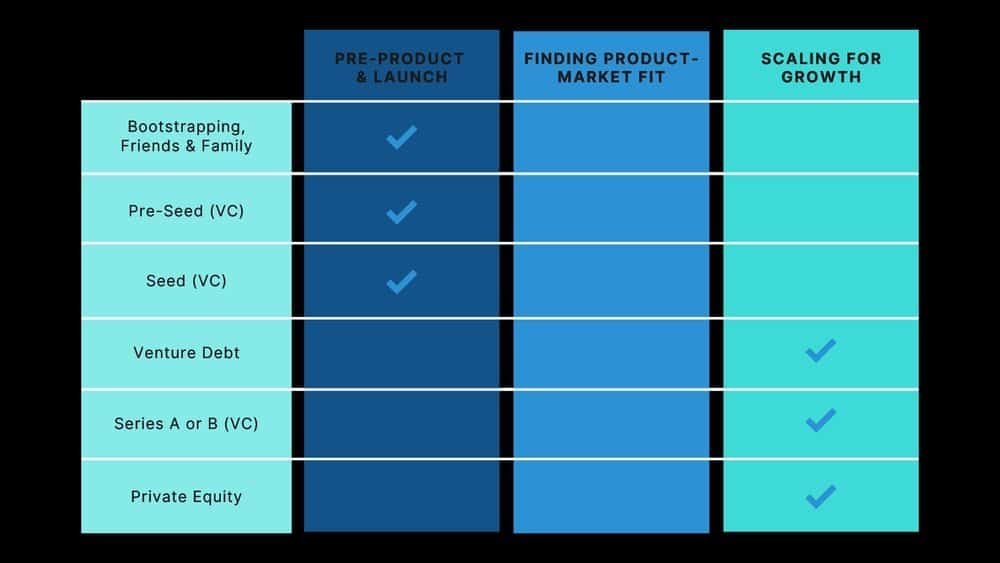
You want strategies that not only fuel development but also attract the right investors and partners. You’ll discover practical funding options designed specifically for SaaS startups like yours. Whether you’re considering bootstrapping, angel investors, or alternative financing, the key is knowing what fits your vision and growth plan.
Keep reading to unlock the best ways to get your SaaS off the ground with confidence—and money in your pocket.
Funding Options Before Launch
Securing funds before launching a SaaS product is crucial. Early funding helps build, test, and market your software. Choosing the right funding method affects your startup’s success and control.
Various options exist for pre-launch SaaS funding. Each method suits different needs and business stages. Understanding these options helps you make informed decisions for your startup.
Angel Investors
Angel investors are individuals who invest their own money. They often fund startups in early stages. These investors offer capital in exchange for equity. They can also provide valuable advice and connections.
Angel investors usually take higher risks. They look for startups with strong growth potential. Building a good pitch and clear business plan attracts these investors.
Venture Capital
Venture capital (VC) firms invest larger sums than angels. VC funding suits startups with scalable business models. VCs expect fast growth and high returns on investment.
VCs often take a significant ownership stake. They also get involved in company decisions. Preparing detailed financial forecasts and market analysis is key to attracting VC funds.
Bootstrapping
Bootstrapping means funding your startup with personal savings. It involves using limited resources wisely. This method helps maintain full control of your company.
Bootstrapping requires careful budgeting and prioritizing essentials. It suits founders who want to avoid debt or equity dilution. Many successful SaaS companies started by bootstrapping.
Revenue-based Financing
This option lets startups raise money by sharing future revenue. Investors get paid as a percentage of monthly sales. Payments continue until a set amount is returned.
Revenue-based financing avoids giving up equity. It suits companies with predictable revenue streams. This method reduces pressure to reach fixed payments quickly.
Grants And Competitions
Grants provide non-repayable funds from governments or organizations. Competitions offer prize money for innovative startups. Both options help reduce financial risks.
Applying for grants and competitions requires meeting specific criteria. They often focus on technology, innovation, or social impact. Winning these funds boosts credibility and visibility.
Building Investor Confidence
Building investor confidence is key to securing funding for your pre-launch SaaS. Investors want to see clear signs your startup will succeed. They need proof that your business is well planned, financially sound, and ready to grow. Gaining their trust takes preparation and transparency. Focus on presenting your startup in the best light. Show that you understand your market and have a strong product idea. This builds trust and makes investors more willing to support your venture.
Creating Investor-ready Financials
Prepare clear and accurate financial statements. Show projected revenues, expenses, and cash flow. Use simple charts and tables to explain numbers. Highlight key assumptions behind your forecasts. Investors look for realistic and honest financials. Avoid overly optimistic or vague figures. Demonstrate how funding will be used wisely. This reassures investors about your financial management skills.
Developing A Solid Business Plan
Write a detailed business plan that outlines your goals and strategies. Include your target customers, marketing approach, and sales plan. Explain your unique value and competitive edge. Show how you will generate income and grow over time. A strong plan guides your startup and gives investors a roadmap. It shows you have thought through challenges and opportunities carefully.
Market Research And Validation
Gather data to prove there is demand for your product. Use surveys, interviews, or pilot tests to collect feedback. Identify your target market size and trends. Show that potential customers want your solution. This reduces the risk for investors. They want evidence your SaaS solves real problems. Market validation increases confidence in your product’s success.
Showcasing A Prototype Or Mvp
Build a working prototype or minimum viable product (MVP). Demonstrate your SaaS’s core features and usability. Let investors see the product in action. A prototype proves your idea is feasible and moving forward. It also helps gather user feedback and improve the product. Showing a real version of your SaaS builds trust and excitement among investors.
Leveraging Accelerators And Incubators
Accelerators and incubators offer unique opportunities for SaaS startups before launch. These programs provide funding, mentorship, and resources needed to shape ideas into viable products. They also connect founders with experienced professionals and potential investors. Joining such programs can boost a startup’s growth and credibility early on.
Benefits Of Joining Programs
Accelerators and incubators offer more than money. They provide expert advice on product development and business strategy. Startups gain access to a network of mentors, investors, and peers. These connections often lead to partnerships and future funding. Programs also offer workshops, office space, and technical support. This environment helps startups avoid common early mistakes. Participating increases a startup’s visibility in the market.
How To Choose The Right Accelerator
Research each program’s focus and success rate. Select one that matches your SaaS niche and goals. Consider the stage of your startup and the program’s timeline. Check the mentors’ expertise and the quality of their network. Understand the equity or fees required by the program. Look for alumni success stories and ask for feedback. Choose a program that feels like a good fit culturally and strategically.
Success Stories From Saas Startups
Many SaaS startups have scaled quickly through accelerators. For example, a company that joined an Austin-based accelerator raised seed funding within months. Another startup gained key clients after demo day presentations. Alumni often credit the mentorship and resources for their early wins. These stories highlight the value of structured support and community. They inspire new founders to seek similar paths to success.
Credit: userpilot.com
Alternative Capital Sources
Alternative capital sources provide essential funding options for SaaS startups before launch. These methods help raise money without relying solely on traditional investors. They offer flexibility and can validate your product idea by involving early users. Exploring these options can increase your chances of success and build a loyal customer base early on.
Crowdfunding Campaigns
Crowdfunding lets you raise funds from many small investors. Platforms like Kickstarter and Indiegogo allow you to showcase your SaaS idea. You receive money in exchange for early access, discounts, or other rewards. This approach builds a community around your product and tests market interest. It also creates valuable buzz before the official launch.
Pre-sales And Early Customer Commitments
Pre-sales involve selling your SaaS product before it is fully built. Early customers commit to buying once the product is ready. This provides upfront cash flow to fund development. It also proves that people want your solution. Offering exclusive deals or lifetime discounts can encourage early commitments. Pre-sales reduce financial risk and create real demand.
Strategic Partnerships
Partnering with other companies can supply resources and funding. These partners may share customers, technology, or marketing efforts. Strategic partnerships often involve joint product development or co-selling agreements. They bring credibility and expand your reach quickly. Aligning with the right partners strengthens your SaaS launch and growth.
Effective Pitching Strategies
Effective pitching strategies are vital for securing pre-launch SaaS funding. The right pitch can attract investors and build confidence in your product. Clear communication and understanding your audience make a big difference.
Focus on presenting your idea simply and confidently. Address the investors’ needs and show why your SaaS solution matters. A well-prepared pitch increases your chance of success.
Crafting A Compelling Pitch Deck
Your pitch deck is the visual story of your startup. Keep slides clear and focused on key points. Use simple graphics and avoid clutter. Highlight the problem, your solution, and the market opportunity.
Include your business model, team strengths, and financial projections. Show traction or plans to gain users. End with a strong call to action for investment.
Tailoring The Pitch To Different Investors
Not all investors have the same interests. Research each investor’s background and focus areas. Adjust your pitch to highlight what matters most to them.
Some investors care more about technology, others about market size or team experience. Speak their language and address their priorities. Personalizing your pitch shows respect and preparation.
Handling Investor Questions And Objections
Expect tough questions during your pitch. Listen carefully and answer with honesty. If you don’t know an answer, say you will follow up later.
Stay calm and confident. Use objections as chances to explain your vision better. Prepare for common concerns like competition, revenue, and growth plans.
Credit: www.maxio.com
Pre-launch Marketing To Attract Funding
Pre-launch marketing plays a key role in attracting funding for your SaaS project. It builds trust and shows investors that real interest exists. Effective marketing before launch helps create a community of engaged users. This community can provide valuable feedback and proof of concept for potential backers.
Using focused marketing efforts, you can demonstrate your product’s value. This increases chances to secure early funding. Engaging potential customers early also sharpens your messaging and product fit. These steps make your SaaS more attractive to investors.
Hosting Webinars And Live Demos
Webinars and live demos allow direct interaction with your audience. They showcase your product’s features and benefits in real time. This builds confidence in your solution among potential users and investors.
Invite industry experts or early users to join sessions. Their participation adds credibility and attracts more attendees. Use these events to answer questions and gather feedback. This shows investors you value user input and are responsive.
Building A Waiting List
A waiting list shows demand before your product launches. Collect emails from interested users to prove market interest. This list becomes a ready audience for your launch and funding pitches.
Offer incentives like early access or exclusive content to grow your list. Keep the audience engaged with updates and sneak peeks. A large, engaged waiting list signals potential for rapid growth to investors.
Engaging With Early Adopters
Early adopters are your first real users and brand advocates. Engage them closely to collect insights and improve your product. Their testimonials and case studies help build trust for funding rounds.
Create forums, feedback groups, or private chats to maintain interaction. Show investors you have a loyal user base eager to support your SaaS. This engagement reduces perceived risk and boosts your funding appeal.
Financial Planning And Forecasting
Financial planning and forecasting form the backbone of any successful pre-launch SaaS funding strategy. Careful planning helps you allocate resources wisely and prepare for future challenges. Forecasting predicts your revenue and expenses, helping maintain financial health. These processes ensure that your startup remains on a solid path before and after launch.
Budgeting For Growth
Creating a clear budget guides your spending and investment decisions. Focus on essential costs like product development and marketing. Plan for unexpected expenses to avoid cash shortages. Use conservative estimates to keep your budget realistic. This approach helps maintain control over your financial resources while supporting steady growth.
Revenue Projections
Estimate your future sales based on market research and competitor analysis. Break down projections by month or quarter for better accuracy. Include different revenue streams, such as subscriptions and add-ons. Use these projections to show potential investors your business potential. Keep your estimates reasonable to build trust and credibility.
Managing Burn Rate
Burn rate measures how quickly your startup spends money. Track this closely to avoid running out of cash too soon. Balance growth investments with cost control to extend your runway. Regularly review expenses and adjust spending as needed. Managing burn rate well increases your chances of reaching key milestones on time.

Credit: www.flowcap.com
Frequently Asked Questions
What Are Common Pre-launch Saas Funding Methods?
Common pre-launch SaaS funding methods include bootstrapping, angel investors, accelerators, and crowdfunding. Each offers varying support levels and investment amounts suitable for early-stage startups.
How Can Bootstrapping Benefit Saas Startups?
Bootstrapping lets founders retain full control and equity while growing organically. It requires careful budgeting but avoids debt and external pressure, ideal for validating ideas before seeking investors.
Are Angel Investors Suitable For Pre-launch Saas Funding?
Yes, angel investors provide early capital and mentorship. They often invest in promising ideas before product launch, helping startups accelerate development and market entry with valuable expertise.
What Role Do Accelerators Play In Saas Pre-launch Funding?
Accelerators offer funding, mentorship, and resources in exchange for equity. They help startups refine products, build networks, and prepare for future investment rounds, accelerating growth before launch.
Conclusion
Choosing the right pre-launch SaaS funding method shapes your startup’s future. Each option has pros and cons to weigh carefully. Personal savings, angel investors, and accelerators offer different paths. Clear planning helps secure funds and build trust with investors. Start early, stay focused, and adapt your approach as needed.
Funding is just the first step toward launching a successful SaaS product. Keep learning and refining your strategy to meet market needs. Success comes from smart choices and steady effort before launch.