

When you’re working on software development, knowing exactly what’s coming next can make all the difference. Software roadmap transparency means you have a clear view of the project’s direction, milestones, and upcoming features.
Imagine how much easier it would be to plan, communicate, and make decisions if you could see the full picture—no surprises, no guesswork. You’ll discover why being open about your software roadmap isn’t just a nice-to-have, but a powerful way to build trust, align your team, and keep your users excited.
Ready to unlock the secret to smoother software projects? Keep reading to learn how transparency can transform your development process.
Benefits Of Roadmap Transparency
Roadmap transparency in software development offers clear benefits. It helps everyone involved understand goals and progress. This openness builds a stronger connection between teams and stakeholders. Teams work better together when they see the full plan. Decisions become easier with clear, shared information. Transparency reduces confusion and keeps projects on track.
Building Trust With Stakeholders
Sharing the roadmap openly shows honesty. Stakeholders feel valued and informed. Trust grows as they see real progress and challenges. It reduces doubts about project direction. Clear updates prevent surprises and build confidence. Stakeholders support the team more when trust exists.
Enhancing Team Alignment
Transparency keeps everyone on the same page. Teams know what to focus on and when. It reduces conflicts and duplicated work. Clear goals guide daily tasks and priorities. Team members understand how their work fits the bigger picture. This alignment boosts productivity and morale.
Improving Decision Making
Access to the roadmap helps make smart choices. Teams spot risks and opportunities earlier. Decisions are based on facts, not guesswork. It allows quick adjustments to changing needs. Everyone understands why certain paths are chosen. This clarity leads to better project outcomes.
Key Elements Of Transparent Roadmaps
Transparent software roadmaps build trust and improve collaboration. They guide teams and stakeholders through the product journey. Key elements define what makes a roadmap truly transparent. These elements help everyone understand progress, priorities, and future plans clearly.
Clear Goals And Milestones
Clear goals set the direction of the project. They explain what the team aims to achieve. Milestones mark important steps toward these goals. They show progress and keep the team focused. Clear goals and milestones prevent confusion and align efforts.
Accessible Information Sharing
Information must be easy to find and understand. Sharing updates openly with all stakeholders is vital. Use simple language and visual aids to explain complex ideas. Accessibility ensures everyone stays informed and engaged. It breaks down barriers between teams and clients.
Regular Updates And Feedback Loops
Frequent updates keep the roadmap current and relevant. They show changes, delays, or new priorities quickly. Feedback loops invite input from users and team members. This helps improve the product and the process. Regular communication creates a culture of trust and continuous improvement.
Tools For Visualizing Roadmaps
Tools for visualizing roadmaps help teams see the project’s direction clearly. These tools turn complex plans into simple visuals. They improve communication among team members and stakeholders. Visual roadmaps keep everyone aligned and aware of progress and goals.
Visual Roadmap Platforms
Visual roadmap platforms offer easy-to-use interfaces. They use charts, timelines, and boards to display tasks. Popular platforms include Trello, Jira, and Aha!. These tools help teams track milestones and deadlines. Visual platforms make it simple to spot delays or overlaps. They also allow quick updates to keep the roadmap current.
Integrating Feedback Mechanisms
Feedback mechanisms let users share ideas and concerns directly on the roadmap. Comments, voting, and surveys are common features. These tools collect input from developers, managers, and customers. Feedback ensures the roadmap matches real needs and priorities. Continuous input improves the plan and builds trust among stakeholders.
Customizing Views For Different Teams
Different teams need different roadmap details. Tools that allow custom views make this possible. For example, developers focus on technical tasks, while sales track release dates. Custom views filter information by role, priority, or timeline. This clarity helps each team work efficiently without distractions. Customization improves collaboration and keeps everyone on the same page.

Credit: gocious.com
Transparency In Agile Development
Transparency in Agile development means keeping everyone informed and involved. It builds trust and helps teams work better together. Open communication lets teams adapt quickly to changes. Transparency aligns the team’s work with the overall goals. It creates a clear path from idea to delivery.
Agile Principles Supporting Openness
Agile values individuals and interactions over processes. It encourages collaboration and honesty. Teams share progress and challenges regularly. Transparency helps spot problems early. Agile promotes simple, clear communication to avoid confusion. This openness leads to faster problem-solving and better results.
Role Of Continuous Communication
Daily stand-ups keep the team updated on tasks and blockers. Regular feedback loops improve the product and process. Communication tools like chat and boards show real-time progress. Continuous dialogue helps avoid misunderstandings. It ensures everyone knows the current status and next steps.
Aligning Sprints With Roadmap Goals
Each sprint focuses on delivering parts of the roadmap. Clear goals guide the team’s work every sprint. Sprint reviews show how work matches the roadmap. Adjustments happen based on feedback and changing priorities. This alignment keeps the project on track and transparent to all.
Challenges And Risks
Maintaining transparency in a software roadmap brings many benefits but also comes with challenges. Teams must handle sensitive information carefully while keeping stakeholders informed. Changes in priorities can disrupt plans and confuse the audience. Sharing too much detail can overwhelm users and dilute key messages. Understanding these risks helps create a balanced approach to transparency.
Balancing Transparency And Confidentiality
Sharing roadmap details openly builds trust with customers and partners. Yet, some information is sensitive or competitive. Revealing too much can expose company strategies or unfinished features. Teams need clear rules about what to share and what to keep private. Protecting trade secrets while staying open is a delicate act.
Managing Changing Priorities
Software projects often shift direction due to market or technical factors. These changes affect the roadmap frequently. Keeping the roadmap accurate requires constant updates and communication. Frequent changes can frustrate stakeholders and reduce their confidence. Clear explanations about why priorities change help maintain trust.
Avoiding Information Overload
Roadmaps can contain complex details and many tasks. Sharing all information can overwhelm users and hide the main goals. Presenting the right amount of detail is crucial. Focus on key milestones and high-level progress for most audiences. Use simple visuals and summaries to keep the roadmap easy to understand.
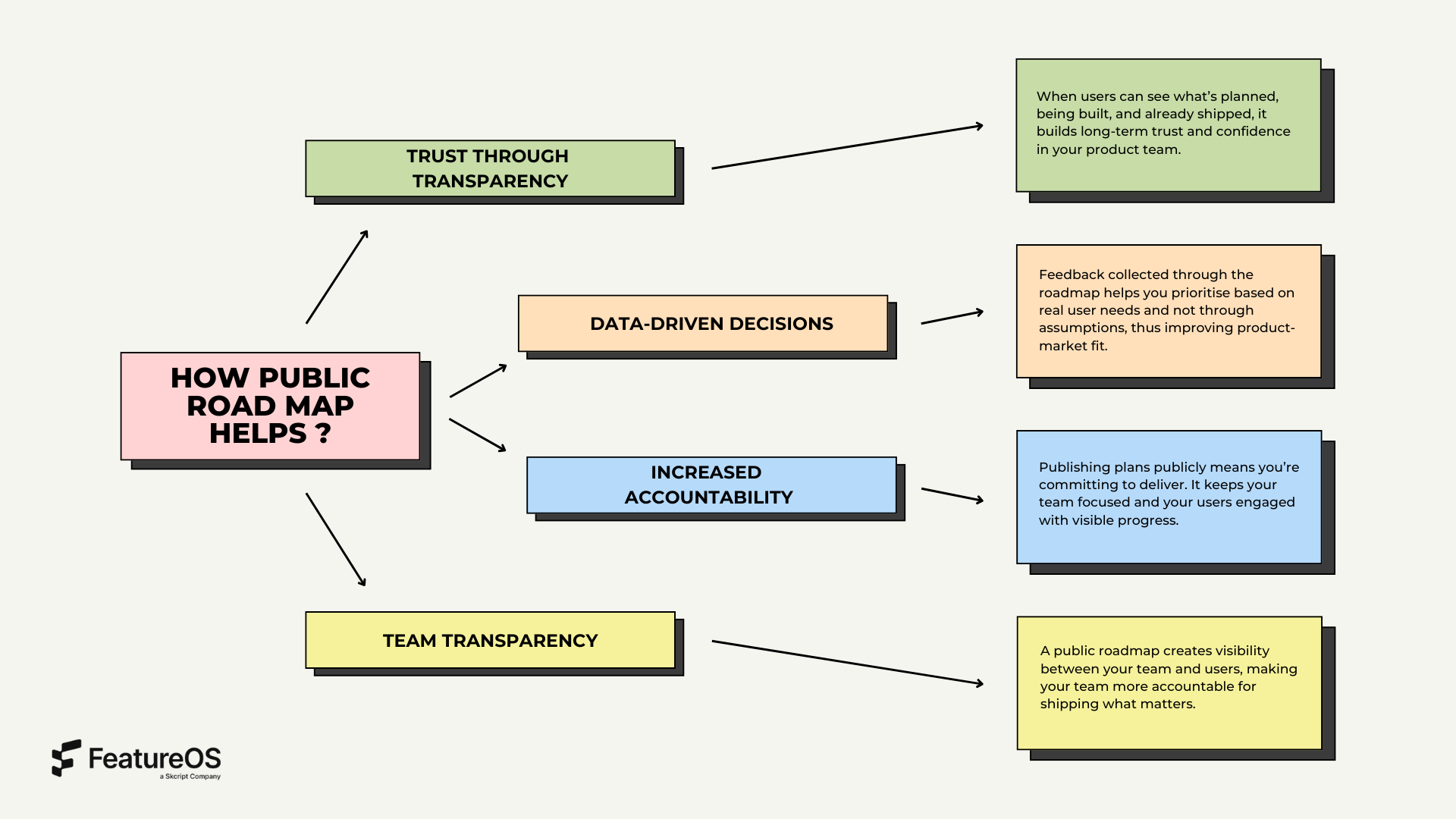
Credit: featureos.app
Best Practices For Teams
Teams benefit greatly from clear, open software roadmaps. Transparency helps everyone understand goals and progress. It builds trust and improves teamwork. Best practices ensure the roadmap stays useful and relevant to all involved. These simple steps help teams stay aligned and efficient.
Engaging All Stakeholders
Include everyone who impacts or uses the software. Product owners, developers, designers, and business leaders all matter. Each stakeholder offers unique insights and priorities. Regularly gather input to keep the roadmap accurate. Engagement prevents misunderstandings and sets clear expectations.
Establishing Clear Communication Channels
Choose tools that suit your team’s style and needs. Keep updates frequent but concise. Use shared platforms where all can view and comment. Clear communication avoids confusion and delays. It ensures that changes and challenges are known quickly.
Maintaining Roadmap Flexibility
Plans change as new information appears. Allow room to adjust timelines and goals. A flexible roadmap reacts to market shifts and feedback. It helps teams stay focused without being rigid. Flexibility supports innovation and continuous improvement.
Case Studies Of Transparent Roadmaps
Examining real-world examples reveals the power of transparent software roadmaps. Companies across industries use openness to build trust and improve collaboration. These case studies highlight various approaches and outcomes, offering valuable insights for any development team.
Tech Giants And Public Roadmaps
Some leading tech companies share their product plans openly. This practice keeps users informed and gathers community feedback early. For instance, large firms publish roadmaps on their websites, allowing users to see upcoming features. Transparency helps these companies align their development with customer needs. It also reduces surprises and builds long-term loyalty.
Startups Embracing Openness
Startups often use transparent roadmaps to stand out. Sharing plans publicly attracts early adopters and investors. Openness shows confidence in their vision and invites collaboration. Startups update roadmaps regularly to reflect progress and challenges. This practice creates a strong connection with their audience. It also helps prioritize features based on user input.
Lessons Learned From Transparency Failures
Not all transparency efforts succeed. Some companies reveal too much too soon, causing confusion or disappointment. Others fail to update their roadmaps, leading to lost trust. These cases teach the importance of clear communication and realistic timelines. Transparency requires balance and commitment to keep stakeholders informed. Honest updates, even about delays, maintain credibility and support.

Credit: blogs.opentext.com
Frequently Asked Questions
What Is Transparency In Software Development?
Transparency in software development means openly sharing project information among developers, stakeholders, and clients. It builds trust, improves collaboration, and ensures everyone stays informed about progress and challenges. This openness supports better decision-making and aligns team efforts toward common goals.
How To Visualize A Product Roadmap?
Visualize a product roadmap by outlining goals, timelines, and key tasks. Use clear visuals like charts or timelines to enhance understanding. Involve stakeholders for input and updates. Keep the roadmap simple, focused, and regularly updated to reflect progress and changes.
What Is Transparency In Agile Methodology?
Transparency in agile methodology means openly sharing project information with all team members. It promotes trust, better decisions, and continuous improvement.
What Are Transparency Requirements?
Transparency requirements demand clear, concise, and accessible information for the public or data subjects. Use plain language and visuals when appropriate to ensure understanding.
Conclusion
Transparency in a software roadmap builds trust among all team members. It helps everyone see project goals and progress clearly. Open communication reduces confusion and keeps work aligned. Teams can adapt faster to changes with shared information. Transparency encourages collaboration and supports better decision-making.
It also reassures stakeholders about future plans. Keeping the roadmap clear benefits the whole project. Embrace transparency to improve your software development process.