
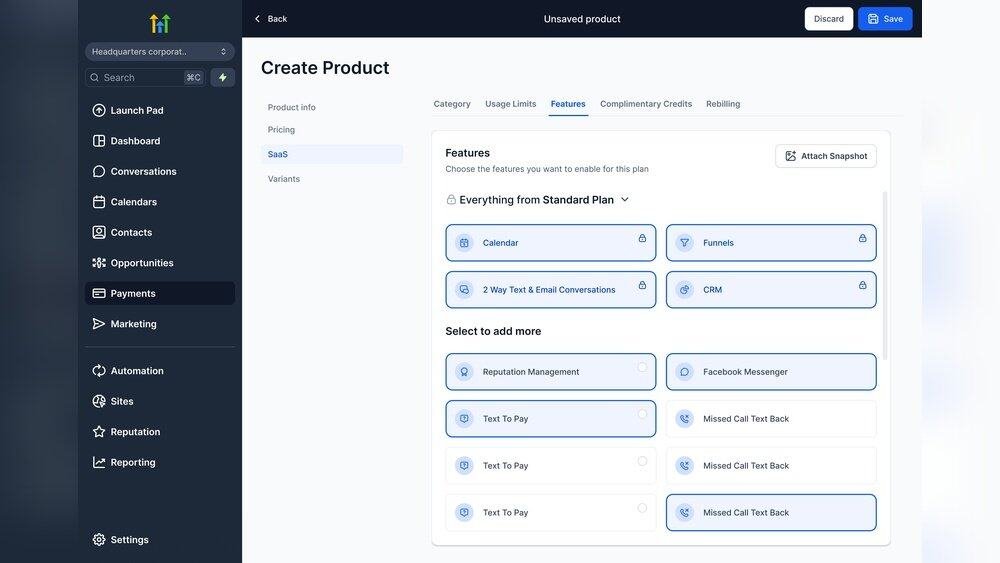
Are you getting the most out of your SaaS product without running into frustrating usage limits? Understanding how these limits work can make a huge difference in your experience and costs.
Usage limits in SaaS products aren’t just technical boundaries—they shape how you use the software, plan your budget, and grow your business. You’ll discover why these limits exist, how they impact you, and smart ways to manage or even overcome them.
Keep reading to unlock insights that will help you make better choices and get the most value from your SaaS tools.
Credit: www.customersuccesscollective.com
Saas Usage Limits Basics
SaaS usage limits set boundaries on how much a user can access or consume a service. These limits help manage resources and keep the platform stable. They apply to features, data, and user actions within the software. Understanding these basics helps users avoid surprises and plan their usage well.
Common Types Of Limits
SaaS products often include various usage caps. Some common types are:
- Data storage limits, controlling how much data a user can save.
- API request limits, restricting the number of calls made to the service.
- User seat limits, capping how many people can access the account.
- Feature usage limits, such as the number of reports generated.
- Bandwidth limits, controlling data transfer amounts.
These limits vary by plan and help define user experience.
Reasons For Usage Caps
Usage limits protect the system from overload and maintain performance. They prevent a few users from consuming too many resources. Limits also help control costs for both providers and users. They encourage fair use and avoid service disruption. Providers use these caps to offer tiered pricing and plan options. This allows users to pick plans that fit their needs and budgets.

Credit: www.biztechlawyers.com
Impact On Customer Experience
Usage limits in SaaS products shape how customers interact with the service. These limits affect satisfaction and trust. Clear, fair limits help users feel confident. Overly strict or confusing limits cause frustration and churn. The balance between access and control plays a key role. Managing expectations reduces negative surprises. A smooth experience keeps customers loyal and engaged.
Balancing Access And Control
SaaS providers must give enough access for users to succeed. At the same time, they need control to manage resources and costs. Too many limits block productivity and creativity. Too few limits can lead to abuse or downtime. Transparent, well-thought-out limits guide users without feeling restrictive. Offering tiered plans allows users to choose what fits their needs. Clear communication about limits builds trust and reduces confusion.
Avoiding Unexpected Overages
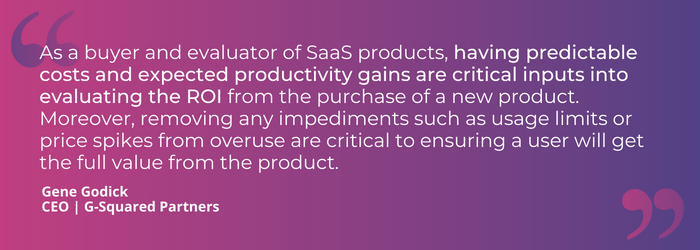
Surprises in billing harm customer experience deeply. Unexpected fees cause distrust and complaints. SaaS companies should notify users before they hit limits. Alerts and usage dashboards keep customers informed and in control. Flexible options for temporary overages ease pressure and maintain goodwill. Easy ways to upgrade or adjust plans improve satisfaction. Predictable pricing and fairness encourage long-term loyalty.
Pricing Models And Limits
Pricing models and usage limits play a crucial role in defining how customers pay for SaaS products. These models set clear boundaries on what users can access and how much they pay. Choosing the right pricing approach helps balance customer needs and business goals. It also impacts customer satisfaction and revenue growth.
Fixed Vs Usage-based Pricing
Fixed pricing charges a set fee for access to the software. Users pay the same amount regardless of usage. This model is simple and predictable for customers. It works well for products with consistent usage patterns.
Usage-based pricing, also called pay-as-you-go, charges customers based on how much they use the service. This model offers flexibility and fairness. Customers pay only for what they consume. It suits products with varying user activity.
Both models have pros and cons. Fixed pricing provides steady revenue but may limit growth. Usage-based pricing can attract more users but makes income less predictable.
Tiered Pricing Strategies
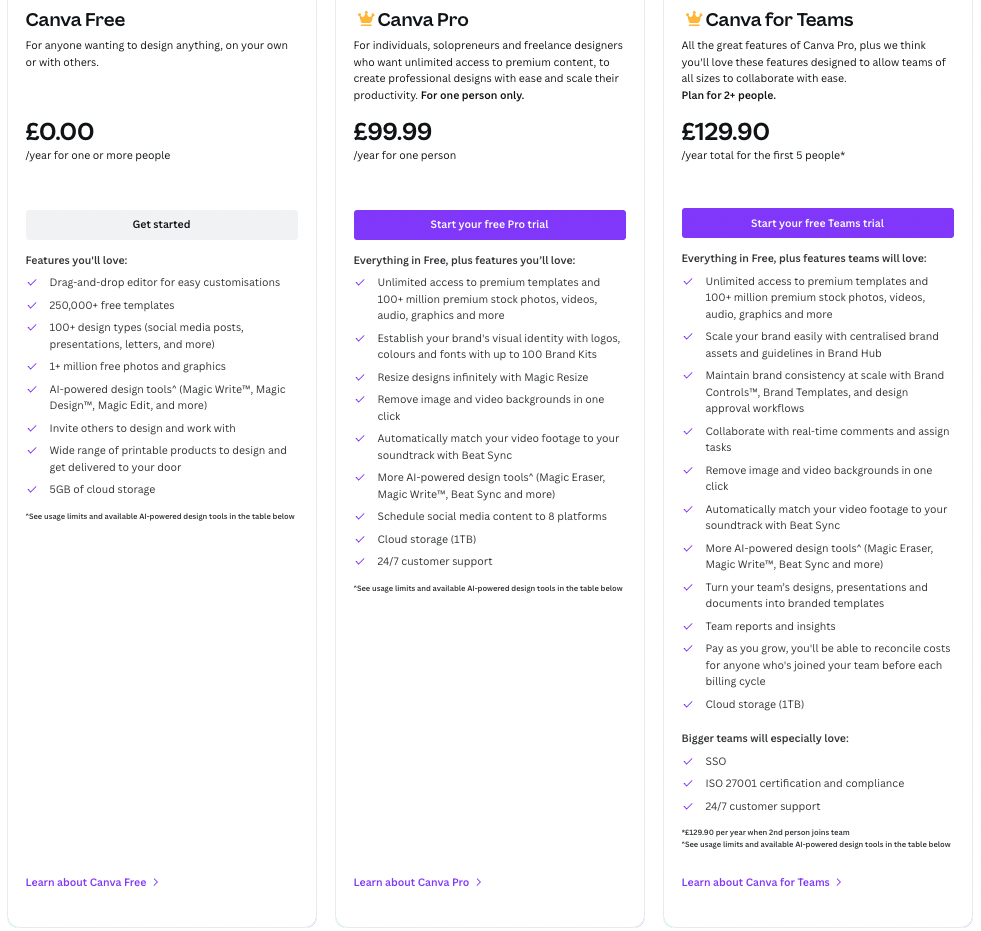
Tiered pricing divides service into levels with different features and limits. Customers select a tier based on their needs and budget. Each tier includes usage limits like number of users or data volume.
This strategy helps address diverse customer segments. Small users can pick basic tiers at low cost. Larger users choose advanced tiers with higher limits and features.
Tiers encourage upselling by showing clear value in higher plans. They simplify decision-making and improve customer satisfaction by matching usage to price.
Setting Effective Usage Limits
Setting effective usage limits is crucial for SaaS products. It helps control resource use and manages costs. Well-defined limits keep the service reliable and fair for all users. Limits should reflect both business goals and user needs. Clear, sensible boundaries prevent system overload and ensure customer satisfaction.
Aligning Limits With User Needs
Usage limits must match what users expect and require. Consider different user types and their habits. Some users need more resources, while others use less. Offering limits that fit various needs reduces frustration. It also improves user experience and retention. Analyze user data to find common patterns. Adjust limits based on real usage, not guesses.
Customizable Thresholds
Allowing users to customize their limits adds flexibility. Customizable thresholds let users control their usage within safe bounds. This approach respects individual preferences and business priorities. It can prevent users from hitting hard stops unexpectedly. Offer options like alerts or temporary limit increases. Custom thresholds make the product more user-friendly and adaptable.
Monitoring And Alerts
Monitoring and alerts play a crucial role in managing usage limits in SaaS products. They help users avoid unexpected service interruptions by keeping usage within set boundaries. This ensures smooth operation and better control over subscription costs. Effective monitoring tools provide clear insights into consumption patterns and trigger alerts before limits are breached.
Real-time Usage Tracking
Real-time usage tracking allows users to see how much of their allocated resources they have consumed. This instant feedback helps avoid surprises at the end of the billing cycle. Users can check usage data anytime through dashboards or mobile apps. It supports proactive decision-making by showing trends and spikes as they happen. Accurate real-time data also helps teams manage resources efficiently and avoid overages.
Multi-channel Notifications
Multi-channel notifications ensure alerts reach users promptly and through various platforms. Common channels include email, SMS, and in-app messages. This approach guarantees users get important updates regardless of their current activity. Notifications can warn users as they approach limits or immediately after crossing them. Customizable alert settings let users choose their preferred communication method and frequency. This flexibility helps maintain control and reduces the risk of service disruption.
Maximizing Efficiency
Maximizing efficiency in SaaS products requires careful management of usage limits. These limits ensure resources are used wisely and costs remain predictable. Efficient use helps both providers and users get the most from the service.
Setting clear boundaries prevents overuse and system slowdowns. It encourages users to focus on essential tasks and avoid waste. Efficiency also supports scaling, allowing more users without degrading performance.
Encouraging Smart Consumption
Smart consumption means using only what is needed. It helps avoid unnecessary charges and service interruptions. SaaS providers can show usage patterns to users. This insight promotes conscious decisions about resource use.
Alerts for nearing limits can prevent surprises. Users learn to prioritize critical actions over less important ones. This habit reduces waste and improves overall satisfaction.
Optimizing Resource Allocation
Resource allocation means distributing usage fairly and effectively. Providers must balance load to maintain performance for all users. Usage limits help control this distribution.
Businesses can allocate resources to teams or projects based on priority. Tracking usage helps identify areas for improvement or extra capacity. This approach ensures the best return on investment.
Handling Overages Gracefully
Handling overages gracefully is crucial for SaaS products. It ensures customers feel valued, even when they exceed their plan limits. Clear communication and fair policies prevent frustration and build trust. Customers stay confident that the service supports their growth without sudden disruptions.
Properly managing overages helps maintain a positive relationship. It shows the company respects the user’s needs and usage patterns. This approach also encourages customers to explore higher plans that better fit their requirements.
Transparent Overage Policies
Clear overage policies reduce confusion and surprise charges. Customers know exactly what happens if they cross usage limits. This transparency builds trust and improves satisfaction.
Policies should explain charges, thresholds, and notification methods. Regular alerts about approaching limits help users control their usage. A simple, upfront explanation prevents disputes and negative reviews.
Flexible Upgrade Options
Offering easy upgrade paths benefits both users and providers. Customers can quickly switch to plans that match their needs. This flexibility avoids service interruptions and supports business growth.
Automated upgrades or one-click options make the process smooth. Flexible billing cycles and prorated charges add convenience. These choices encourage users to stay within the ecosystem and increase lifetime value.
Tools For Usage Management
Managing usage limits in SaaS products requires effective tools. These tools help businesses track, control, and optimize how users consume resources. They ensure customers stay within their plan limits and avoid unexpected costs. Efficient usage management improves customer satisfaction and reduces churn.
Analytics And Reporting
Analytics tools collect data on user activity and resource consumption. They provide clear insights into usage patterns and trends. Reporting features show detailed information on which features are most used. This helps businesses spot overuse or underuse quickly. Data visualization makes it easier to understand complex usage metrics. Regular reports support informed decisions on plan adjustments and resource allocation.
Automation Solutions
Automation tools simplify usage management by handling repetitive tasks. They can automatically enforce limits and notify users when they approach thresholds. Automation reduces manual errors and saves time for support teams. It also allows businesses to trigger upgrades or throttling based on real-time usage data. These solutions ensure smooth operations and a better user experience without constant manual monitoring.
Case Studies
Case studies offer clear examples of how usage limits work in real SaaS environments. They reveal practical outcomes, both positive and negative. These insights help businesses design better limit policies. Understanding successes and mistakes guides smarter product management.
Successful Limit Implementations
One SaaS company set clear, fair usage limits from the start. Customers knew exactly what to expect and how to upgrade. The limits encouraged users to explore the product fully without feeling restricted. This approach increased customer satisfaction and reduced churn rates.
The company also used data to adjust limits over time. They balanced user needs with system capacity. This flexibility kept the service reliable while supporting growth. Clear communication about limits built trust and loyalty.
Lessons From Overages
Another company ignored usage limits until customers faced unexpected charges. This caused frustration and lost trust. Users felt the limits were hidden or unfair. The company had to improve transparency and support to fix the damage.
This case shows the risk of poor limit management. Overages should be handled with clear warnings and easy upgrade paths. Listening to user feedback can prevent negative experiences. Proper limit enforcement protects both the business and its customers.
Credit: openquire.com
Frequently Asked Questions
What Is The Rule Of 40 In Saas?
The Rule of 40 in SaaS balances growth and profitability. Add revenue growth rate and profit margin; total should be 40% or more. It helps investors assess company health and sustainability.
What Is The Rule Of 65 In Saas?
The Rule of 65 in SaaS means adding a company’s growth rate and profit margin should equal at least 65%. It balances growth with profitability. Investors use it to evaluate sustainable business models and efficient capital use. High scores often lead to better company valuations.
What Is The Rule Of 50 In Saas?
The rule of 50 in SaaS balances growth and profitability. Add a company’s growth rate to profit margin. A total above 50 signals healthy business performance.
What Is The Golden Rule Of Saas?
The golden rule of SaaS is to prioritize customer value by delivering consistent, scalable service while optimizing user experience and retention.
Conclusion
Usage limits shape how users engage with SaaS products daily. They help manage resources and control costs effectively. Clear limits prevent overuse and maintain service quality. Users can choose plans that best fit their needs. Understanding these boundaries supports smarter decision-making.
SaaS providers balance flexibility with protecting system stability. Keep usage limits in mind when selecting software solutions. They play a key role in your overall experience.