
When you invest in software, it’s not just about the upfront price. Have you ever thought about what your software really costs over its entire lifetime?
Understanding the full picture can save you money and help you make smarter decisions. That’s where a Lifetime Software Cost Benefit Analysis comes in. It breaks down all the expenses and advantages you’ll face from day one to years down the road.
You’ll discover how to uncover hidden costs, weigh real benefits, and find out if your software investment is truly worth it. Ready to see your software spending in a whole new light? Keep reading to unlock the insights that could transform your business strategy.
Software Cost Components
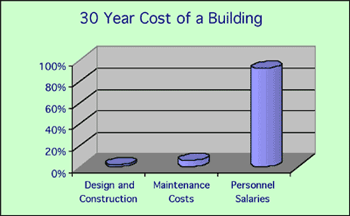
Understanding the various software cost components is essential for accurate lifetime cost benefit analysis. Software expenses extend beyond the initial purchase or development phase. They include ongoing and future costs that impact the total investment. Breaking down these components helps businesses plan budgets and forecast financial needs effectively.
Initial Development Expenses
Initial development expenses cover all costs to create the software. This includes planning, design, coding, and testing. Hiring developers and purchasing necessary tools also fall under this category. These upfront costs set the foundation for the software’s functionality and quality.
Licensing And Subscription Fees
Licensing fees apply when software requires permission to use. Some software charges a one-time fee, while others use subscriptions. Subscription fees are recurring and can be monthly or yearly. These costs vary depending on the license type and user count.
Maintenance And Support Costs
Maintenance costs keep the software running smoothly after launch. This includes fixing bugs, security patches, and performance improvements. Support costs cover assistance services for users. Regular maintenance and support ensure software reliability and user satisfaction.
Upgrade And Scalability Expenses
Upgrade expenses arise when adding new features or improving existing ones. Scalability costs occur when the software needs to handle more users or data. Planning for these expenses helps accommodate growth without major disruptions or extra costs.
Credit: www.wbdg.org
Benefits Of Software Investment
Investing in software offers many advantages that extend beyond the initial purchase price. Understanding these benefits helps businesses make smarter decisions. Software can improve how tasks get done, save money over time, and enhance satisfaction for users. It can also position a company ahead of its competitors.
Increased Productivity
Software tools automate routine tasks. This frees employees to focus on more important work. Faster task completion leads to higher output. Teams can collaborate more easily with shared platforms. Overall, productivity rises as software supports daily activities.
Cost Savings Over Time
Though software may require upfront costs, it reduces expenses later. Automation lowers labor costs by cutting manual work. Errors decrease, saving money on corrections. Cloud-based solutions reduce hardware expenses. Over time, these savings add up significantly.
Improved User Experience
Good software offers simple, clear interfaces. This reduces training time for employees. Users complete tasks with fewer mistakes. Smoother workflows increase satisfaction and morale. Positive experiences encourage regular software use and adoption.
Competitive Advantage
Using the right software keeps businesses ahead. Faster responses to market changes improve customer service. Data insights from software help make better decisions. Innovation becomes easier with modern tools. Companies gain an edge by working smarter, not harder.
Calculating Lifetime Costs
Calculating lifetime costs is essential for understanding the full financial impact of software. It helps businesses plan budgets and make smart decisions. Knowing these costs prevents surprises and supports long-term success. This section breaks down how to calculate these costs clearly and simply.
Total Cost Of Ownership Explained
Total Cost of Ownership, or TCO, shows all expenses tied to software over time. It includes buying, using, and maintaining software until it is retired. TCO helps compare different software options fairly. It goes beyond the price tag to show the real cost of ownership.
Estimating Direct And Indirect Costs
Direct costs include the purchase price, licensing fees, and setup charges. Indirect costs cover training, support, and time spent by employees using the software. Both types are important for a full cost view. Ignoring indirect costs can lead to underestimating the total expense.
Accounting For Hidden Expenses
Hidden expenses often appear during software use. These include costs from system downtime, upgrades, and security risks. Also consider costs of integrating software with other tools. Planning for these ensures a more accurate lifetime cost estimate. These hidden costs can add up quickly if overlooked.
Measuring Software Benefits
Measuring the benefits of software is key to understanding its true value. It goes beyond just the price tag. Benefits include financial returns, improved processes, and less risk. Accurate measurement helps businesses decide if software is worth the investment. This section breaks down three important ways to measure software benefits.
Quantifying Financial Gains
Financial gains are the easiest to track. Look at direct savings like reduced labor costs or lower maintenance fees. Also, consider increased revenue from faster delivery or better customer service. Calculate the return on investment by comparing these gains to the software cost. Use clear numbers to show how the software boosts profit.
Assessing Intangible Advantages
Not all benefits show up in dollars. Software can improve employee satisfaction by making tasks easier. It can boost customer trust with higher data security. These advantages improve overall business health but are hard to measure. Use surveys and feedback to capture these effects. Even small improvements count in the big picture.
Evaluating Risk Reduction
Software often reduces risks like errors, downtime, or security breaches. Lower risk means fewer losses and less stress. Estimate how much money or damage the business avoids thanks to the software. Factor in the cost of potential problems that no longer happen. Risk reduction adds value by protecting the company’s future.
Tools For Cost Benefit Analysis
Choosing the right tools for cost benefit analysis is vital for accurate financial decisions. These tools help compare expenses against the expected benefits of software investments. They simplify data handling and provide clear insights for better planning.
Popular Software Solutions
Several software options assist in cost benefit analysis. CostPerform offers detailed financial planning and reporting features. Excel remains popular due to its flexibility and ease of use. Tools like @RISK add risk analysis to cost evaluations. Each solution varies in complexity and focus. Select a tool that matches your project needs and team skills.
Features To Look For
Look for tools that provide clear visual reports and charts. Automated calculation of costs and benefits saves time. Scenario analysis helps predict different outcomes. User-friendly interfaces ensure easy adoption by teams. Support for multiple currencies and tax rules can be crucial. Accurate data import and export functions improve workflow. These features improve the reliability of your analysis.
Integration With Financial Systems
Integration with accounting or ERP systems enhances data accuracy. It reduces manual data entry and errors. Real-time syncing helps keep financial data current. Some tools connect directly to payroll and invoicing software. Check if the software supports your existing financial platforms. Smooth integration streamlines cost tracking and reporting processes.
Credit: helpfulprofessor.com
Maximizing Roi Strategies
Maximizing the return on investment (ROI) in lifetime software cost benefit analysis requires smart strategies. These methods ensure that every dollar spent on software development and maintenance delivers the highest value. Focusing on key areas helps businesses gain the most from their software investments.
Optimizing Resource Allocation
Efficient use of resources reduces unnecessary spending. Assign the right people to tasks matching their skills. Avoid overstaffing or underutilizing team members. Use tools to track time and progress. This approach saves money and speeds up delivery.
Prioritizing High-impact Features
Focus on features that bring the most value to users. Identify which functions increase productivity or sales. Develop these features first and improve them continuously. Skip or delay low-impact features to save costs. This strategy boosts software effectiveness and user satisfaction.
Continuous Performance Monitoring
Track software performance regularly to find issues early. Use analytics to measure user behavior and system efficiency. Fix bugs and optimize processes as soon as possible. Ongoing monitoring prevents costly problems and keeps the software running smoothly.
Real-world Applications
Understanding the real-world applications of lifetime software cost benefit analysis helps businesses make smarter decisions. It reveals how investments in software impact long-term financial health. This analysis goes beyond initial costs and looks at ongoing expenses and benefits. Organizations gain clarity on whether software will bring lasting value.
Examining actual case studies and lessons from successful implementations shows how cost benefit analysis works in practice. These examples provide practical insights and highlight common challenges and solutions. Learning from real experiences prepares companies to manage software investments more wisely.
Case Studies In Software Investment
One company reduced expenses by choosing a software solution after thorough cost benefit analysis. They compared upfront costs, maintenance fees, and productivity gains. The result was a system that paid for itself within two years.
Another case involved a firm that avoided costly software upgrades by assessing lifetime costs carefully. They identified hidden expenses like training and support, which changed their decision. This careful analysis saved significant money over time.
Lessons From Successful Implementations
Clear goal setting is key to successful software investment. Defining what benefits to expect guides the cost benefit analysis process. Without clear targets, companies risk overspending or underestimating costs.
Regular review of software performance helps track if benefits meet expectations. Adjustments can be made early to avoid losses. Successful firms use cost benefit analysis as a continuous tool, not a one-time check.

Credit: www.sciencedirect.com
Common Pitfalls To Avoid
Conducting a lifetime software cost benefit analysis requires careful attention. Many make mistakes that reduce the analysis’s value. Avoiding common pitfalls ensures better decisions and clearer insights. Focus on realistic costs, long-term gains, and user challenges. These areas often cause errors in software investment evaluations.
Underestimating Costs
Many underestimate total costs in software projects. Initial purchase price is only part of the expense. Include setup, training, maintenance, and upgrade costs. Hidden fees and support charges add up over time. Ignoring these can lead to budget overruns and poor planning. Accurate cost estimates improve financial forecasting and reduce surprises.
Ignoring Long-term Benefits
Some focus only on upfront costs and miss future advantages. Software benefits often grow with time and use. Improved efficiency, reduced errors, and better data insights add value. Calculate savings and gains over the software’s entire life. This approach shows the true return on investment. It helps justify spending and guides smarter choices.
Overlooking User Adoption Challenges
Successful software depends on user acceptance and training. Ignoring this factor leads to low adoption and wasted resources. Users may resist change or lack skills. Plan for training, support, and clear communication. Engage users early to increase buy-in. Addressing adoption issues prevents productivity losses and improves results.
Frequently Asked Questions
What Software Can Help With Cost-benefit Analysis?
CostPerform, Saviom, and ProjectManager offer software tools for effective cost-benefit analysis. They simplify financial planning and decision-making.
What Is Cost-benefit Analysis For Software?
Cost-benefit analysis for software evaluates financial gains versus development and maintenance costs. It guides smart investment decisions.
What Is A Real Life Example Of Cost-benefit Analysis?
A city government uses cost-benefit analysis to decide if a new recycling program’s environmental benefits outweigh infrastructure costs.
Is Cost-benefit Analysis A Legitimate Tool?
Cost-benefit analysis is a legitimate tool. It helps evaluate financial and intangible outcomes, guiding informed decision-making effectively.
Conclusion
Evaluating lifetime software costs helps businesses make smart choices. It reveals true expenses beyond initial purchase price. Considering maintenance, updates, and support avoids surprises later. Benefits must outweigh costs for the best value. A clear cost-benefit analysis guides investments wisely.
This approach reduces risks and improves budget planning. Keep reviewing costs regularly to stay on track. Informed decisions lead to better software success.